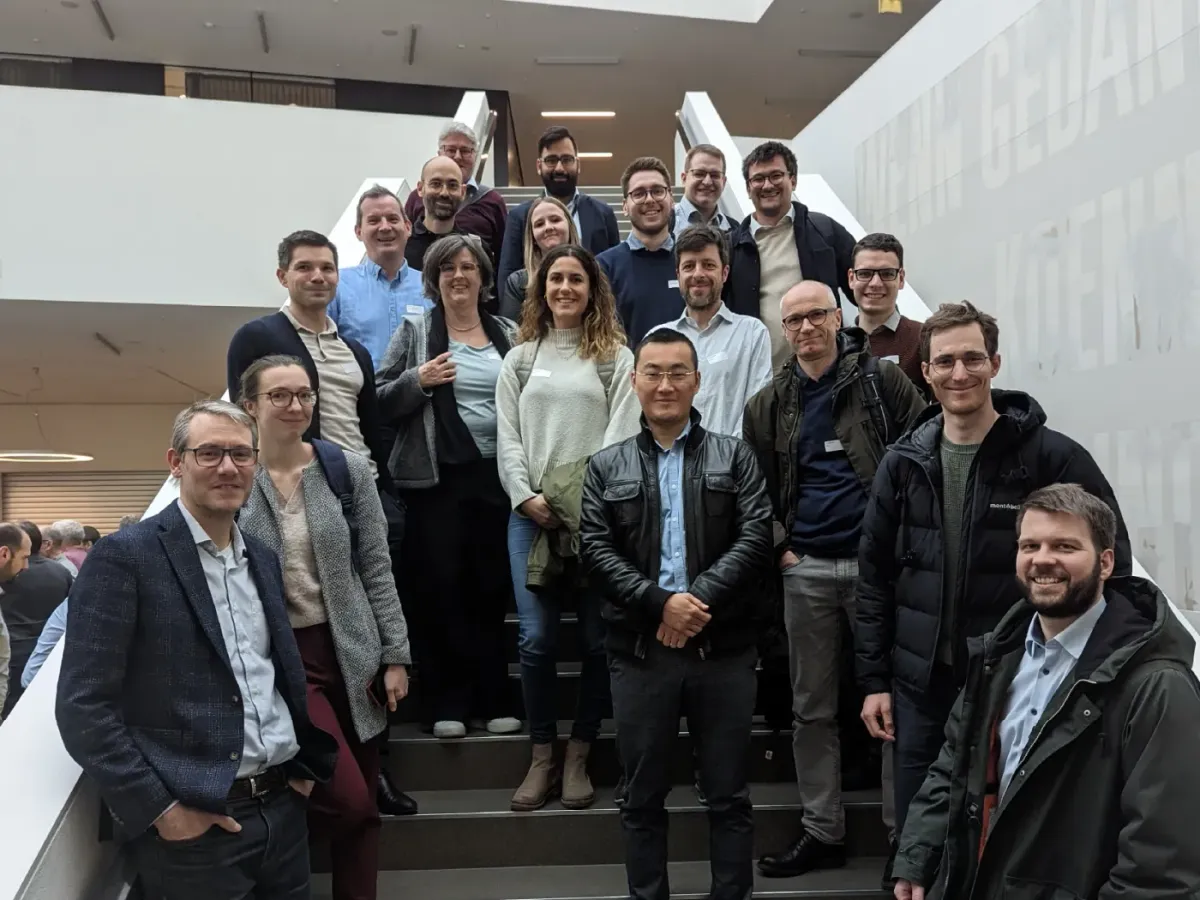
The Swiss Data Anonymization Competence Center held a stakeholder gathering in Olten on March 25, 2024, welcoming approximately 20 participants from government, private sector, and academic institutions.
The meeting addressed four primary goals: presenting the SNF Bridge Project, discussing practical anonymization challenges, exploring collaborative opportunities, and introducing SwissAnon’s capabilities while understanding stakeholder expectations.
SNF Bridge Project overview
The project addresses a significant research gap by focusing on anonymizing longitudinal data — information tracking individuals over extended periods. While cross-sectional data anonymization is well researched, longitudinal datasets present unique challenges. Simply removing direct identifiers like names and addresses is not enough; the work requires advanced anonymization and synthetic data generation methods combined with identification risk assessment.
Key anonymization challenges discussed
Organizations seek to publish microdata publicly or for research purposes while maintaining privacy. Stakeholders emphasized that data usage agreements alone cannot substitute for proper anonymization. Discussions also centred on balancing soundness (accuracy and fidelity) with utility (practical usefulness), particularly for synthetic datasets.
Research ethics committees struggle to distinguish pseudonymization from anonymization. Stakeholders advocated for centralized knowledge-sharing platforms, webinars, and dedicated forums addressing compliance and training needs.
Center capabilities expected
Stakeholders anticipated SwissAnon would provide: a comprehensive anonymization methodology resource hub, personalized consulting services, training programs on theoretical frameworks and tools, and multidisciplinary collaboration involving legal experts, data scientists, and cybersecurity specialists.